

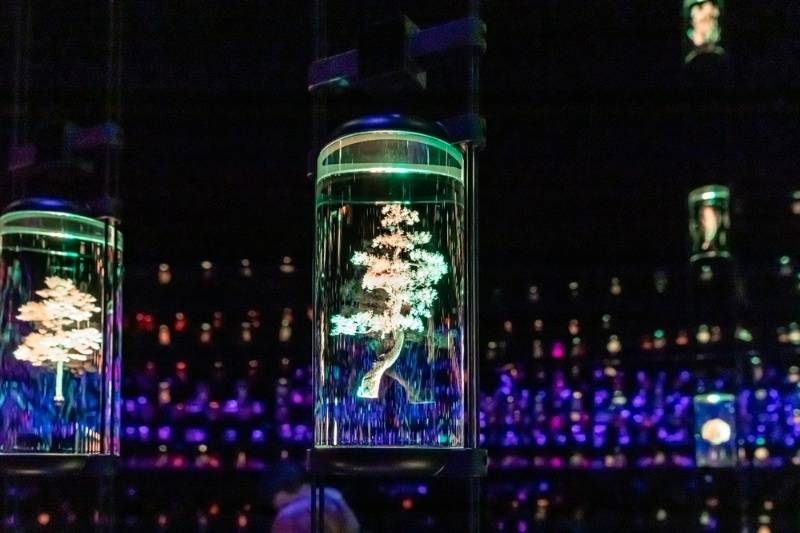
The evolution of art has always been closely linked to technological advancement; however, the creation of holographic art represents one of the most monumental advances in contemporary artistic innovation. Holographic art is a unique blend of science, light, and creative imagination, capable of creating amazing visual images that appear to float in space.
Modern holographic art, 3D holographic artwork, and holographic gallery exhibits are changing how people experience artistic expression worldwide. In contrast to traditional forms of artistic expression, holographic art is dynamic; the viewer can experience changing perspectives depending on the angle from which they view it.
The immersive nature of holographic art allows artists to find new ways to emotionally and intellectually connect with their audience; thus, the emergence of holographic installations and digital projection techniques creates exciting environments for all to experience.
There are now many museums, galleries, and other creative institutions around the world exhibiting holographic gallery exhibits, establishing that holography has become more than a niche experimentation and now represents a growing influence in the global art world.
Ultimately, holographic art merges artistic creativity with technological progress to create two- or three-dimensional representations of the real world through the manipulation of laser-generated light beams and interference patterns.
Holography employs state-of-the-art optics to achieve the modern-day holographic experience. A traditional hologram is created by separating one beam of laser light—referred to as the object beam, which reflects off of an object—and the second beam of laser light—referred to as the reference beam. When these two beams combine, they produce a photographic record of light emitted by the object, stored as an image.
Later, when the recorded photographic image is illuminated by laser light, the hologram produces an authentic representation and 3D image of the object based on how the object was illuminated during photography. The result is that, as the viewer walks around it, the viewer's relative position to the object changes the object's perceived dimensionality and the viewer's position with regard to the object.
Because of holography's scientific foundation, much contemporary art expressed through holography intersects with many disciplines, including physics, engineering, digital design, and other media. Artists are collaborating with researchers to experiment with new ways to create and exhibit holographic art, resulting in works that blend technology with their conceptual aims to tell a story through the visual representation of a subject.
Today’s artists want to experiment with new forms of artistic expression, especially those not constrained by traditional art forms. Holography offers almost unlimited opportunities for experimentation, as it is a new art medium.
There are several reasons that artists are interested in creating holograms:
They convey stories through different viewpoints, creating a sense of three-dimensional depth that flat art cannot achieve. Viewers can interact with the artwork; the combination of art and science makes this medium especially appealing to artists who want to explore future concepts, digital art, and narrative-based work.
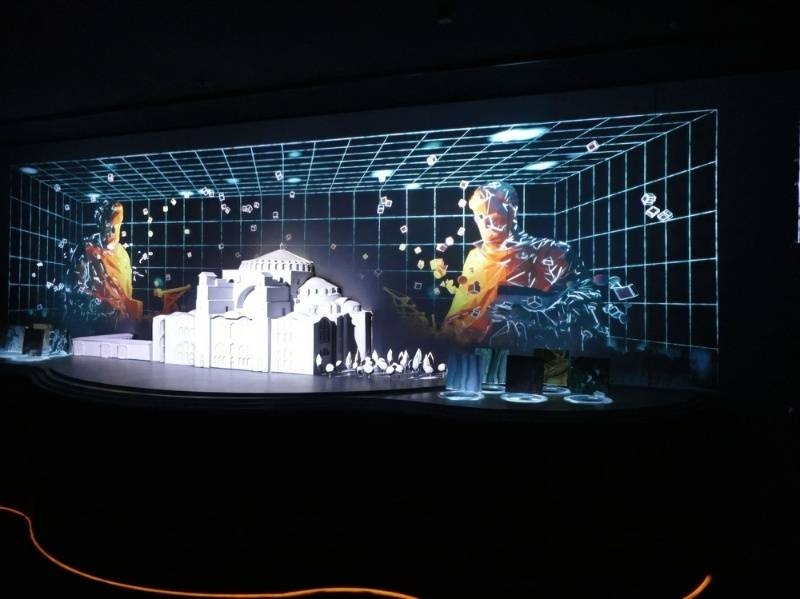
Holographic gallery exhibits are increasingly common additions to museums, offering unique and memorable experiences for all who visit. Unlike traditional art pieces, which are stationary, holographic art will continue to change artistically as the audience interacts with it through movement.
The introduction of three-dimensional hologram artwork in galleries has greatly expanded the field of exhibition design by enabling these artworks to display intricate detail and dynamic motion, making them focal points in modern galleries.
When viewing art exhibits that utilize holographic technology, the viewer can expect to encounter:
In addition to showcasing innovative works of art, holographic gallery exhibits also educate the public about the intersection of art and science.
The newest trend in creating art through holography is the growing use of large-scale holographic installations.
Holographic installations use multiple projected images and light sources to create spaces visitors can walk through, filled with floating images.
Common uses for these holographic installations include:
Holographic installations represent the next stage of modern holographic art, creating a rich, immersive sensory experience for the audience and making it impossible to distinguish between the observer and the artwork.
Technological developments are making the future of holographic art very exciting and will open up greater possibilities for creating 3D holograms. New technologies such as digital imaging, projection mapping, and augmented reality technologies are also creating new opportunities for immersive hologram installations.
Digital technology is enabling expanded creativity through holography, for example, by combining it with augmented reality (AR), artificial intelligence, projection-mapping systems, and interactive sensors. The use of these technologies is contributing to the development of contemporary holographic artwork.
By combining these technologies with contemporary art, artists can create dynamic installations that respond to audience interactions through holographic elements; thus, the creation of more complex, immersive installations is now possible.
Institutions worldwide have begun incorporating holographically assisted gallery shows into their digital transformation plans. Many galleries regard holography as a link from older forms of art to newer, more digitally based forms of culture.
The growing interest in contemporary holographic art reflects broader trends in immersive art experiences. Visitors to galleries today expect shows that are enjoyable to experience, stimulate their curiosity, and provide unforgettable visual experiences.
From exceptionally realistic three-dimensional holographic artwork to artistic experimentation with holographic installations, this medium continues to provide opportunities for artistic creativity and innovation.
Holographic works are a wonderful combination of technology and creativity, using lasers, lights, and digital design to create amazing images that change the way we view (experience) art.
The immense increase in modern examples of holographic art, 3-D hologram works, and gallery exhibits showcasing them, as well as their presence in physical environments, demonstrates how quickly holography is evolving into a major player on the world market.
Artists can now produce work from genuine imagination and creativity, using holographic installations to enhance the overall experience of interacting with the completed products. Holographic works are currently developing new ways to tell stories, create innovative works, and expand the potential for artistic expression. Holographic art gives both the artist and the audience a glimpse of what is next in visual art, wherein a vision of your imagination appears to float in space.
A form of art, holographic art is created using lasers and light interference patterns to produce a 3-dimensional image. These images seem to float in space as the viewer moves around them.
Contemporary holographic art differs from traditional art because it creates dynamic, 3-dimensional images using light rather than paint or sculpture. This allows the viewer to experience depth, movement, and changing perspectives in the artwork.
The contemporary art world is growing and becoming more innovative with each passing year, driven by advances in graphic design technology and by activities such as digital art festivals, museums, galleries, and other venues worldwide that exhibit works by artists pushing the limits of visual artistry.
Holography, as a contemporary art form, is popular because it marries science and art to create immersive visual experiences for viewers through 3D interactive images, depth perception, and futuristic artistic expression.
Holographic installations are immersive environments using holographic projection, lighting, and sound to create an environment where the viewer can walk through and interact with the visible floating images in 3-dimensional space.
This content was created by AI